Dust and noise control while you live in the house
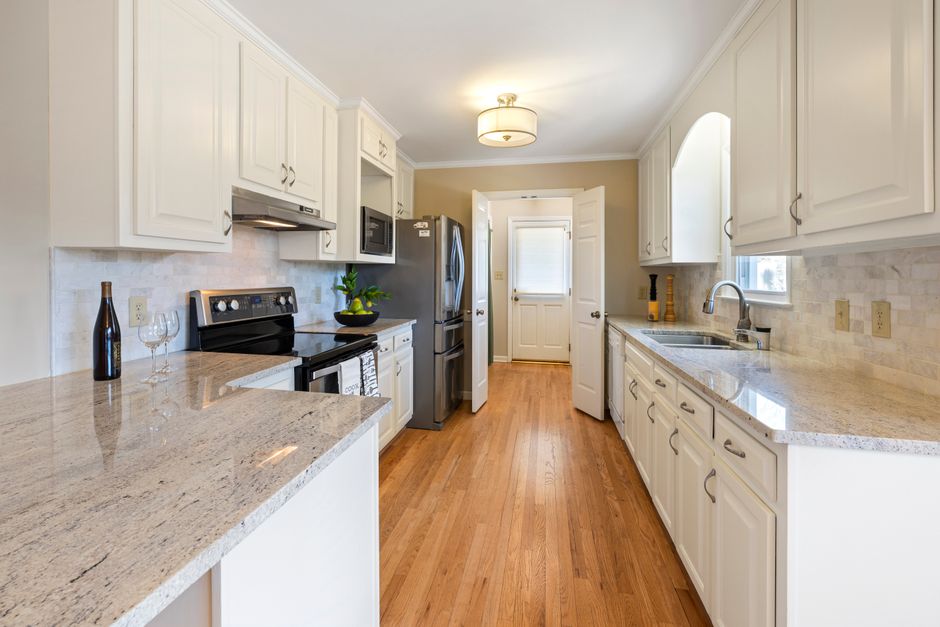
Two kitchens that look the same on the plans can leave two very different houses behind them, depending on how the dust was handled, as the notes at kitchen renovation bellevue protecting creation describe. For a kitchen renovation in Bellevue, WA, the containment plan matters as much as the cabinet order, particularly on the tight lots around Crossroads and Factoria where neighbors hear everything.
A real barrier, not a bedsheet
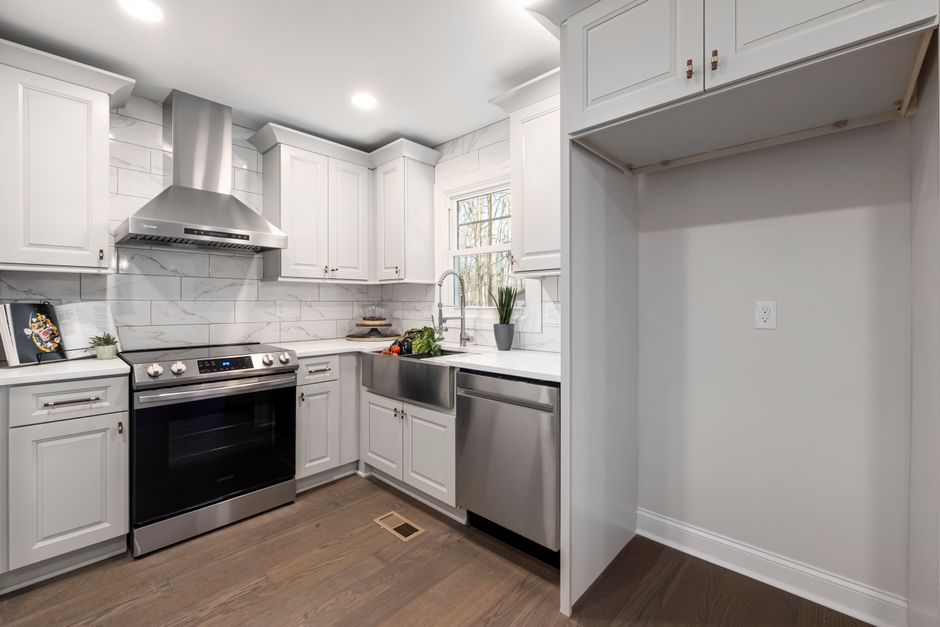
Plastic sheeting taped at the ceiling and floor, with a zippered door, holds back most of the fine dust from sanding and cutting. A sheet draped over a doorway does almost nothing. Tape the seams, seal the edge where the plastic meets the ceiling, and keep the zipper door on the side that faces the work.
Move air out, not around
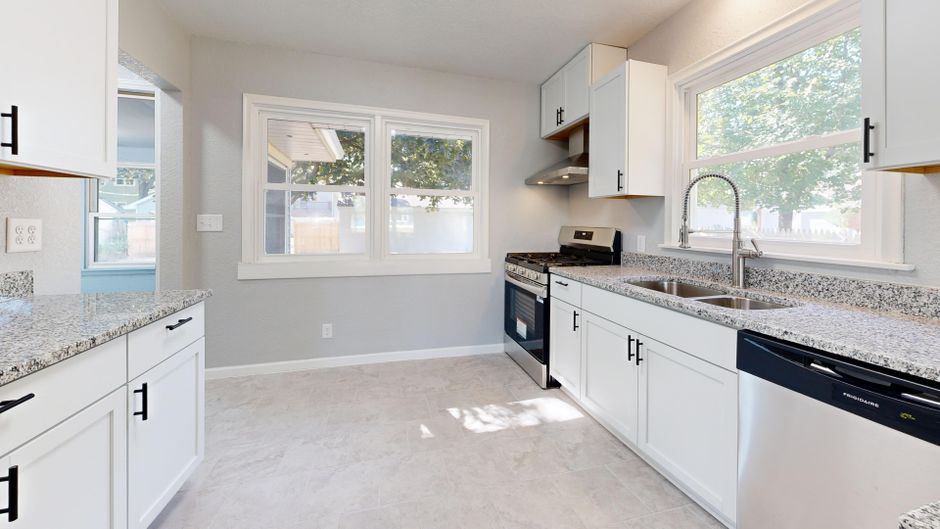
A box fan in a window, facing out, pulls the room slightly negative so dust drifts toward the work zone instead of into the house. A furnace return inside the work area needs to be covered or blocked off, otherwise the system pulls drywall dust through every duct in the house. Change the furnace filter more often during the job, and again when it ends.
Protect the floors on the path
Wet winter weather means mud rides in on boots from the driveway all the way to the kitchen. Rosin paper or a hard board on the walking route, plus a mat at the entry, keeps the hallway and the stairs clean. Hardwood runs need a heavier layer than carpet, because a dropped tool or a ladder foot can dent it quickly.
Noise and work hours
Demolition and tile cutting are loudest early in the job. A reasonable start time is agreed in advance, and the loudest tasks are done mid-morning rather than at first light. Neighbors on close lots in Bellevue notice a saw through a shared fence. Telling them the demolition week in advance tends to head off complaints before they start.
Cleaning as part of the day
A shop vacuum with a fine filter, run at the end of each working day, keeps the buildup from spreading. Sweeping with a broom throws the dust back into the air. Wet-wipe the flat surfaces just outside the barrier, because fine drywall dust settles on shelves and counters in the next room, and the damp air off Lake Washington keeps it clinging to surfaces longer.
Know what to move out first
Open shelves, bookcases and dishes in nearby rooms collect dust even behind plastic. Wrapping them, or moving them to a closed bedroom, is cheaper than washing everything later. The same applies to the dining room table, if it is being used as a staging area for boxes and tools.